Maintenance & Tips

All new electric vehicles receive a range estimate, just like gas vehicles see EPA-estimated fuel consumption ratings. However, much like their gas-powered counterparts, there are a number of factors that impact the distance an EV can travel on one charge.
One of the most noticeable benefits of electric vehicles is their relaxing, almost silent electric motors. Without the hundreds of moving parts and combustion required for gas engines to run, electric motors don’t produce the sound levels of their fossil fuel-burning counterparts, but that silence can uncover unexpected noises from other parts of the car.
The industry has progressed to the point that many modern cars leave the factory with wheels that dwarf even the largest aftermarket wheels from just a decade ago.
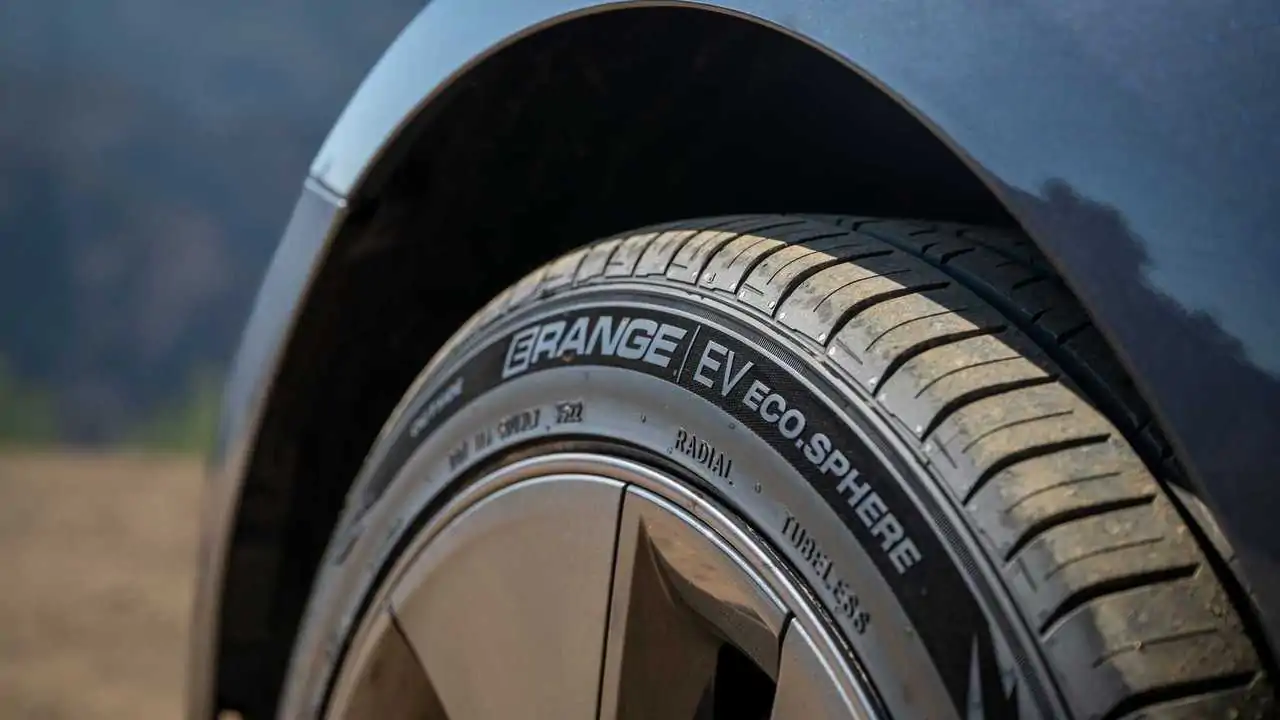
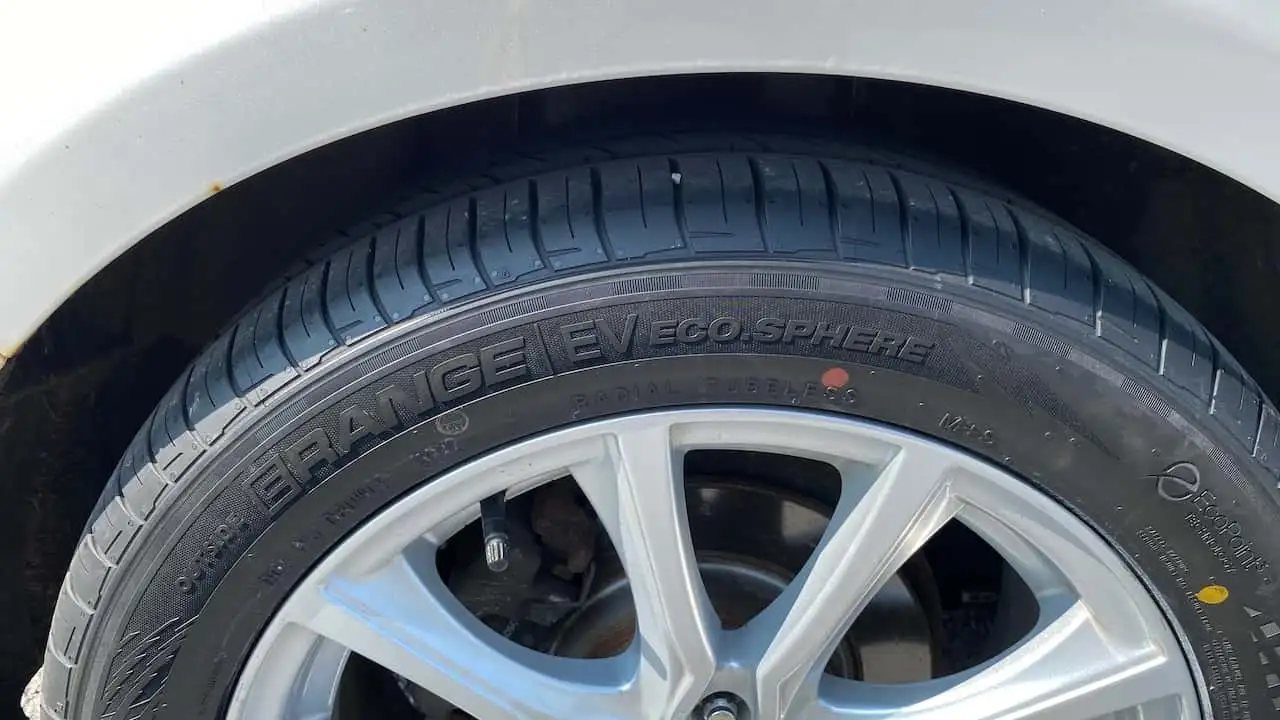
When you buy a new EV, you might notice that the tires look a little different than the set you had on your last gas vehicle. Automakers often opt for low rolling-resistance tires, and those that help maximize the range of electric vehicles, but even the greenest tires need care to last and perform at their best.
Tires designed specifically for electric vehicles are different from standard tires. They’re designed to do different things. Do their differences mean that EV tires can’t be repaired like standard tires if they’re losing air due to a foreign object like a nail or a piece of glass? Not necessarily, though the process may be more involved.
We’re all conditioned to take our cars in for an oil change every so often. Could be every 5,000 miles. Could be every 10,000 miles. Or maybe it’s once per year if you don’t drive that often. Regardless, this never-ending schedule of once-in-a-while oil changes is as familiar to us as apple pie and Aerosmith.
Electric vehicles are considerably heavier than gas-powered ones because of their big battery packs. They also accelerate quicker thanks to electric motors that immediately deliver maximum torque.
Whether you’re in a fancy electric Tesla or a luxury Lexus hybrid, it’s become more stylish, more practical, and more sensible to switch to a battery-powered car, and that fact only grows more true with time. However, if you have never owned an electric car before, then you can find that it comes with a few extra caveats and demands that owners have to be aware of. In time, you get used to these needs just as easily as any car owner gets used to their own vehicle’s needs. Until then, here are a few tips on how to make it a lot easier to own and drive an electric car.